
Two-day immersion
Two consecutive days, away from the daily noise. Managers practise each conversation more than once and leave ready to use it.
A practical programme for your managers, delivered at your office or online, on dates that suit you. They practise the conversations they actually face with their teams, built on real cases from your organisation, with live feedback until staying calm in them comes naturally.
Source: Gallup, “This Fixable Problem Costs U.S. Businesses $1 Trillion”, 2019.
Much of it is avoidable. 52% of people who quit say their manager or organisation could have done something to keep them.
And 51% say that in the three months before they left, no manager or leader talked with them about how they were doing or their future. Those are exactly the conversations managers tend to put off.
AI already handles much of the routine work. It can't sit across from someone who's frustrated, uncertain or checked out and help them find their own way forward. That part is still your managers' job. Rolling out AI also brings new ways of working, reshaped roles and people worried about their place, and it's managers who have to have those conversations.
We used to call it a soft skill. Now it's the core of a manager's job.
Nobody is born good at this. Managers get good at it by practising with feedback, the way they'd learn any other hard skill.
Your managers are in meetings all day. Then someone sits down for a one-on-one and brings their emotions into the conversation, and nothing in their training covers it. The team's effectiveness still depends on them being able to sit with it, listen, and help that person move forward.
The same gap shows up across the team. Conflicts sit unresolved and people wait for the manager to decide, so the small things fill the time meant for strategy.
Many managers are stuck in this gap, and their teams feel it.
Leading the team, resolving conflict within it, growing people, and building the ownership and mutual trust that free managers up for strategic work.
On the left, where many managers are now. On the right, what live practice builds.Where many managers are now, and what live practice builds.
You choose the format that fits your managers' calendars. The content, the group size and the price stay the same.
Two consecutive days, away from the daily noise. Managers practise each conversation more than once and leave ready to use it.
Two days, one to two weeks apart. Managers try things with their teams in between and bring back what happened.
The programme split into shorter sessions, tailored to what your managers need and how their weeks look.
At your office, or online for distributed teams across locations.
Light work for HR, practice that matches what your managers face, and a way to see what changed.
We talk with you about your managers, what your organisation is going through and what you want to change.
Managers answer a short survey about the situations they find hardest, which we turn into anonymised practice cases. They also do a self-reflection and the PQ assessment, which takes a few minutes.
Live teaching, demonstrations and practice on your cases, in the format you chose.
Managers repeat the self-reflection and answer a post-programme survey, so you can compare before and after.
The group meets again online to share what they've tried, what worked and where they got stuck, so the new habits stick.
Compare the cost of one group with the cost of losing one person: by Gallup's conservative estimate, replacing an employee costs half to twice their annual salary.
Nobody learns to land a plane from a manual; pilots train in a simulator. Hard conversations work the same way. Most management training gives managers frameworks and stops there. Here they practise the actual conversations they have with their teams, in real time, with feedback, until those conversations come naturally.
In person. Managers learn it and practise it in the room, so they're ready to take it straight into their next real conversation.
From your organisation and their own teams, not generic role-plays.
Trained through ICF, Erickson, CTI, ORSC, APMG Change Management and Positive Intelligence.
Managers see how conversations, meetings and feedback can be held effectively.
Including the PQ assessment and elements of Positive Intelligence.
“Everyone says their project is urgent, and I'm disappointing people no matter what I do.”
The temptationHand them a priority list.
“Every meeting with him turns into the same thing. I'm tired of even trying.”
The temptationTake sides, or tell them how to handle it.
A talented person hesitates to go for a bigger role.
The temptationReassure them quickly and give a pep talk.
A normally engaged person has gone flat.
The temptationJump to productivity tips, or try to cheer them up.
Or we build the scenarios from your own cases.
Reorganisations, AI rollouts, transitions and a pace that doesn't let up. Teams take their cue from how their manager shows up. When managers are grounded, with a calm body, full attention and no hidden agenda, people can think clearly and speak honestly with them. When managers rush, their teams feel it too.
Each session starts with a grounding practice.
Meet each person where they are when things shift.
One method in four parts, delivered in two halves that build on each other: the first works on presence and trust, the second on turning insight into action. Every format follows the same order.
Master the foundations of presence and trust. Learn how to listen in ways that make people feel genuinely seen. Build your capacity to sit with discomfort, confusion, and emotion without either fixing it or getting consumed by it. Develop the conversational moves that turn tension into clarity.
Can you be fully present with someone without being responsible for fixing them?
TopicsListening that changes people, asking questions that matter, navigating emotion in real time, and turning conflict into connection.
Move from insight to action. Learn how to recognize what's actually holding people back and address it with emotional intelligence. Help your team commit to change that sticks. Embed this approach into how you actually lead, so it becomes natural and sustainable.
What commitment would actually move them forward, not what would make me feel better?
TopicsConcrete strategies to keep using these skills after the programme ends and how to build a culture where people-centric leadership becomes the norm.
By the end of the programme, your managers will have practised how to:
Tell the difference between coaching, mentoring and giving advice.
Listen beyond the words, staying curious even in difficult conversations.
Work with emotions without avoiding them or taking them over.
Help people turn reflection into a next step they own, while noticing their own patterns under pressure.
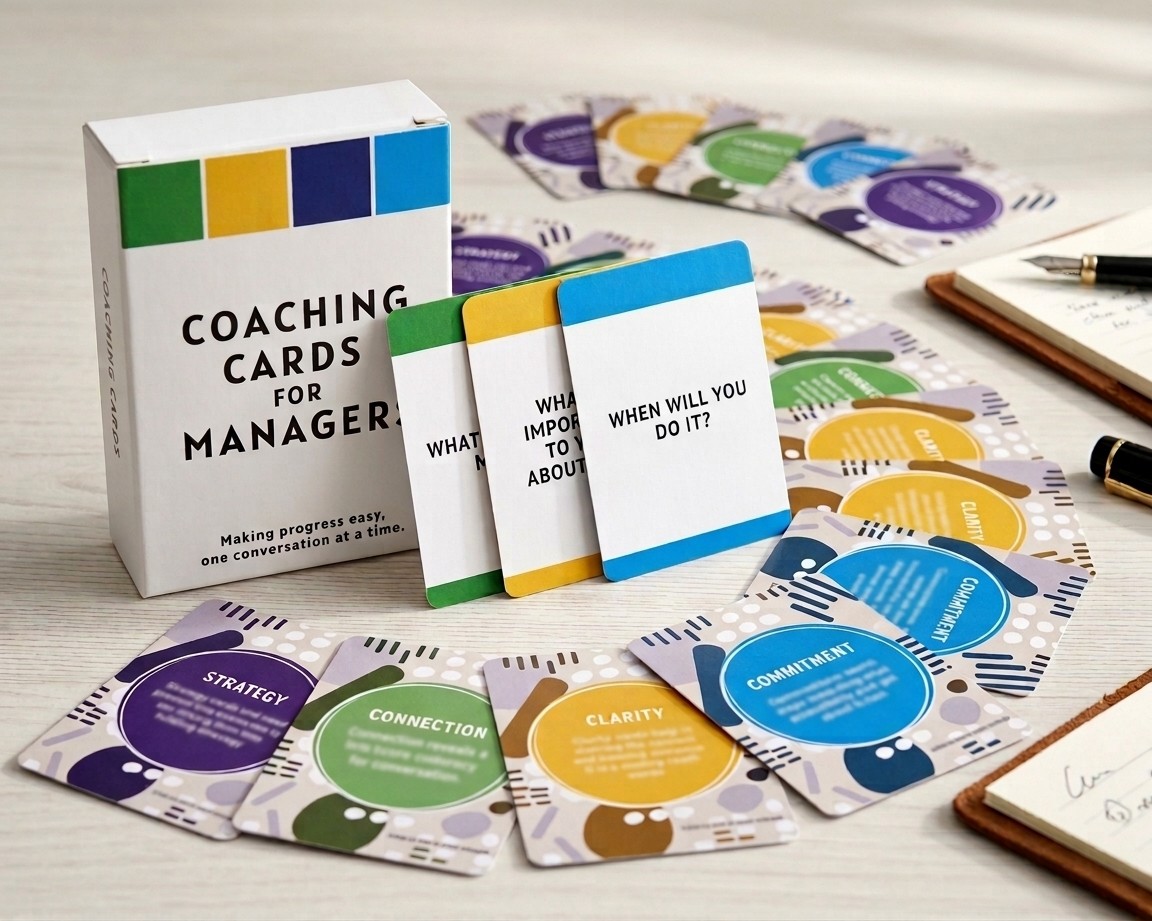
Managers are expected to explain what is happening, listen to concerns, make decisions and keep the work moving, often while dealing with the same uncertainty themselves. In this programme they bring real challenges from work and receive coaching and feedback on how they handle them.
When accountability becomes pressure, people comply. When it becomes ownership, people commit.
“Anna has a unique talent for picking up on subtle cues and asking thoughtful, targeted questions that helped me uncover patterns I wasn't aware of. Companies and managers could benefit a lot from working with her, she creates a space where employees feel empowered, more resilient, and motivated to grow.”
Monika Fábryová, Paid Digital Marketing Lead
“The best money invested!”
I have been privileged to experience Migena's magic in diverse settings: individual coaching, workshops and consulting. During individual coaching her radiating warmth, empathy and curiosity made me feel relaxed and open in a very short time. She found ways to guide me to a couple of 'a-ha' moments for which I'm genuinely grateful. Migena is an experienced facilitator whether it is face-to-face or online workshops. She has a gift to design interactive sessions with short and sweet theory and plenty of group work, which allows everyone to move from abstract concepts to very personal experiences. She has consulted me on how to prepare powerful workshops and impactful conversations with my teams, which helped me to be focused and well-prepared under time pressure. The best money invested!
Monika Gailiute Sørensen, Agile Coach at Danske Bank
They have led teams themselves and supported leaders through hard conversations.
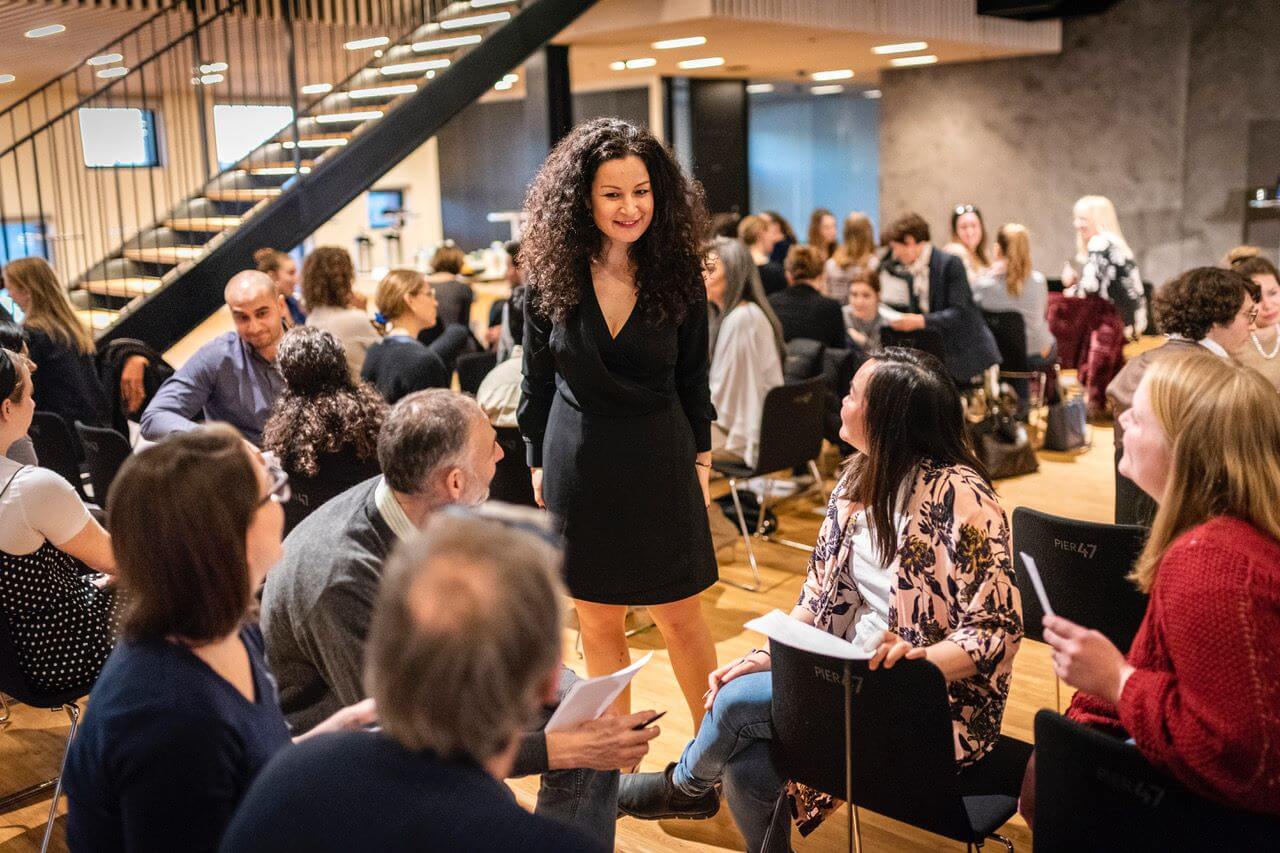
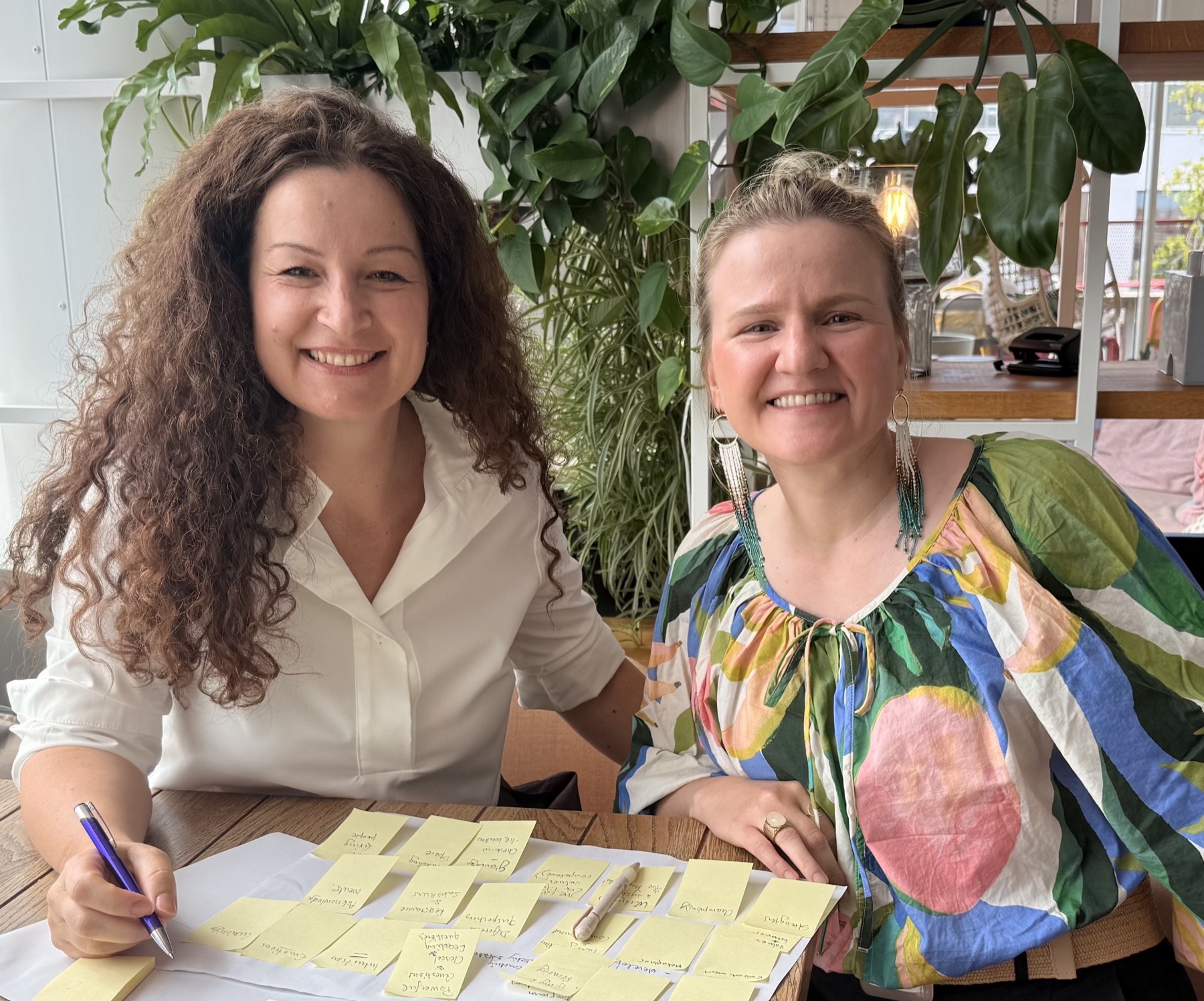
Leadership coach and trainer. For 10 years she has coached managers and leaders through hard conversations: performance issues, team conflict, leaders who'd hit a wall with their own team. Her focus is self-leadership, leading from the inside out: knowing your own patterns, connecting with others, and making decisions that fit your values.
Before coaching, she spent more than 15 years in Finance, HR and Administration, including leadership roles, so she has been in the room when the difficult call about a person had to be made. She brings that practical view of how organisations work to every programme.
She knows change from the inside. She grew up in Albania as the country moved out of communism, built a new life in Denmark, and after 15 years in business retrained as a coach. In her sessions people slow down and reflect, and she pays attention to how emotions show up in the body as well as in words.
“I participated in a leadership programme led by Migena and I found it fresh, relevant and contemporary, with good use of visualisation, tools and ‘take-home’ lessons that could be put into practise immediately. […] I have commissioned a great many programmes in this area and heartily recommend Migena, a real breath of fresh air.”
Amanda Cockroft, Programme Manager
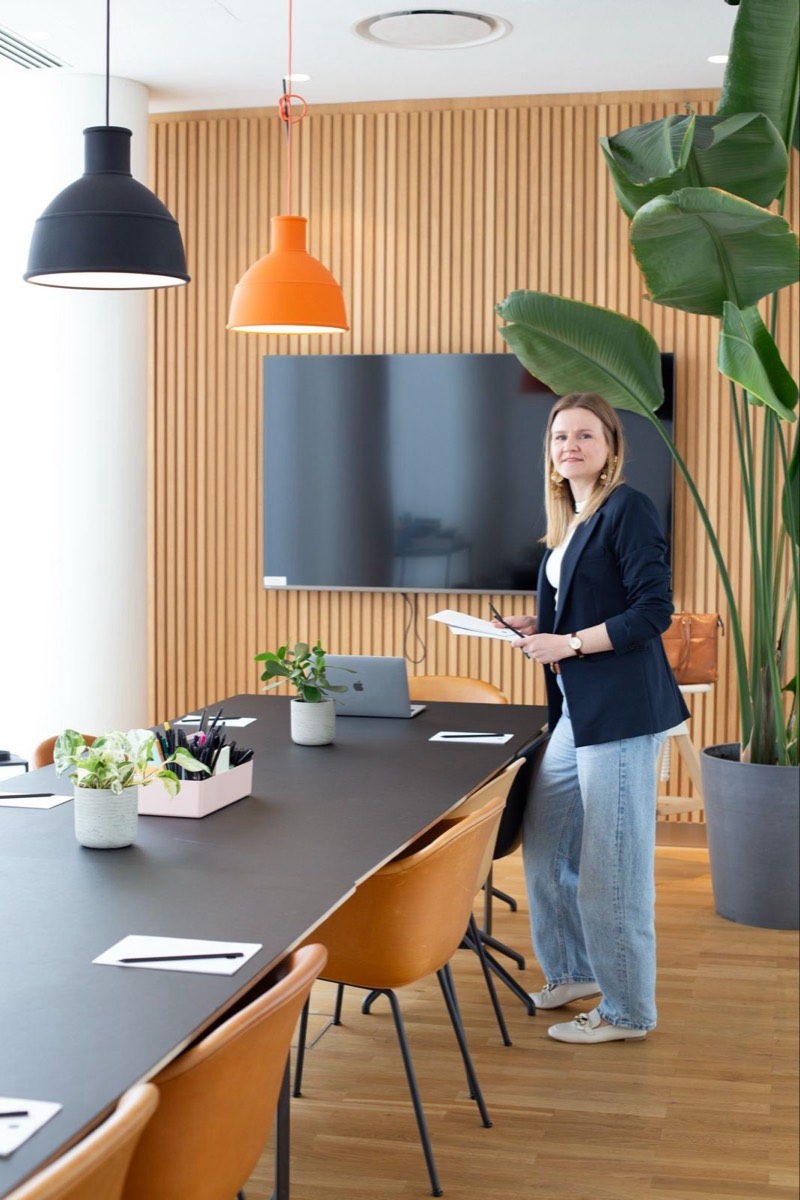
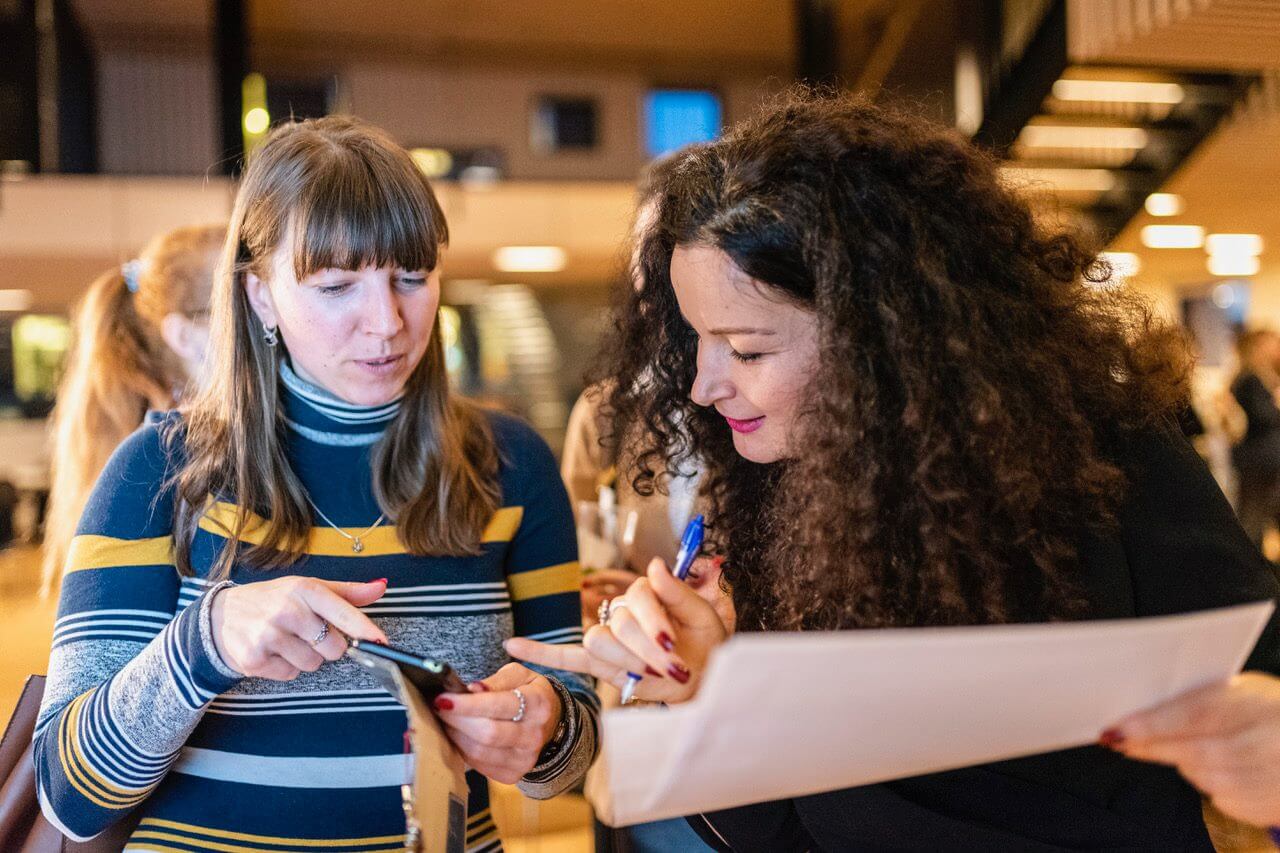
Executive coach, change manager and founder of wabi-lab. She coaches senior leaders across the US, Europe and Asia. Her focus is how leaders manage themselves under pressure, drawing on Positive Intelligence. She also co-runs a community for international coaches at ICF Denmark.
Before coaching, she spent 17 years inside global tech, at Apple, KAYAK/momondo, SYBO Games and Labster, moving from QA into product and program management, localization and org transformation. At momondo she built a team of 10 analysts from scratch, then aligned data tooling, processes and teams across three offices on two continents through the merger with KAYAK. At Labster she directed 45 people across five domains and nine countries through a merger, a platform migration and bringing AI into production, with zero attrition and 16 people upskilled into new roles. She brings that experience of leading real change to every programme.
She knows pressure from the inside. She was the person who always delivered, until her own burnout stopped her, and that experience is why wabi-lab exists. Originally from Poland, she has spent two decades living in Finland, Ireland and Denmark. That, together with a Cultural Studies degree, helps her read a room, whether its norms are direct or indirect, hierarchical or flat.
“Anna has been an integral part of our team at Labster for 3.5 years. Her genuine passion for people and their development, coaching skills, emotional intelligence, and ability to navigate diverse cultural backgrounds have made her a respected leader and trusted mentor.”
Shawn Boom, CEO, Labster
“Every employee deserves a leader who has had this kind of support.”
What really amazed me was the gentle, insightful way she guided me. The situations that used to make me stressed or anxious no longer had the same effect on me. Every employee deserves a leader who has had this kind of support.
“After a session with Migena, you know exactly what you want and what needs to be done to get there.”
Migena is an excellent coach. She has a unique combination of calmness, warmth and being grounded. She gives her full attention and keeps the focus on where it should be, on the client. You will feel seen and heard.
Not sure which format fits your organisation? Tell us about your managers and what you're going through at hello@migenagjerazi.com. We'll tell you honestly what we think would work.
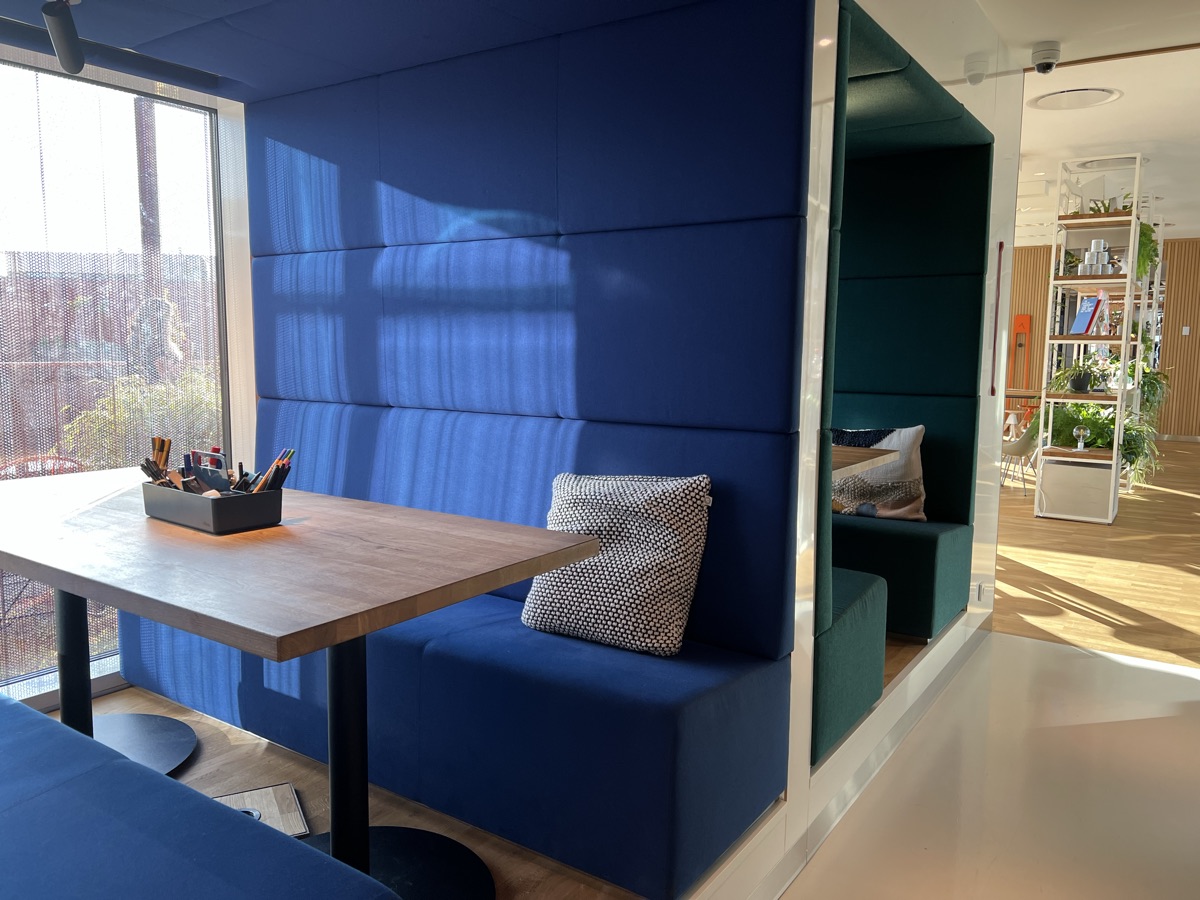
Tell us about your managers and what your organisation is going through. We'll suggest a format, dates and the cases to work with, and send you a proposal.
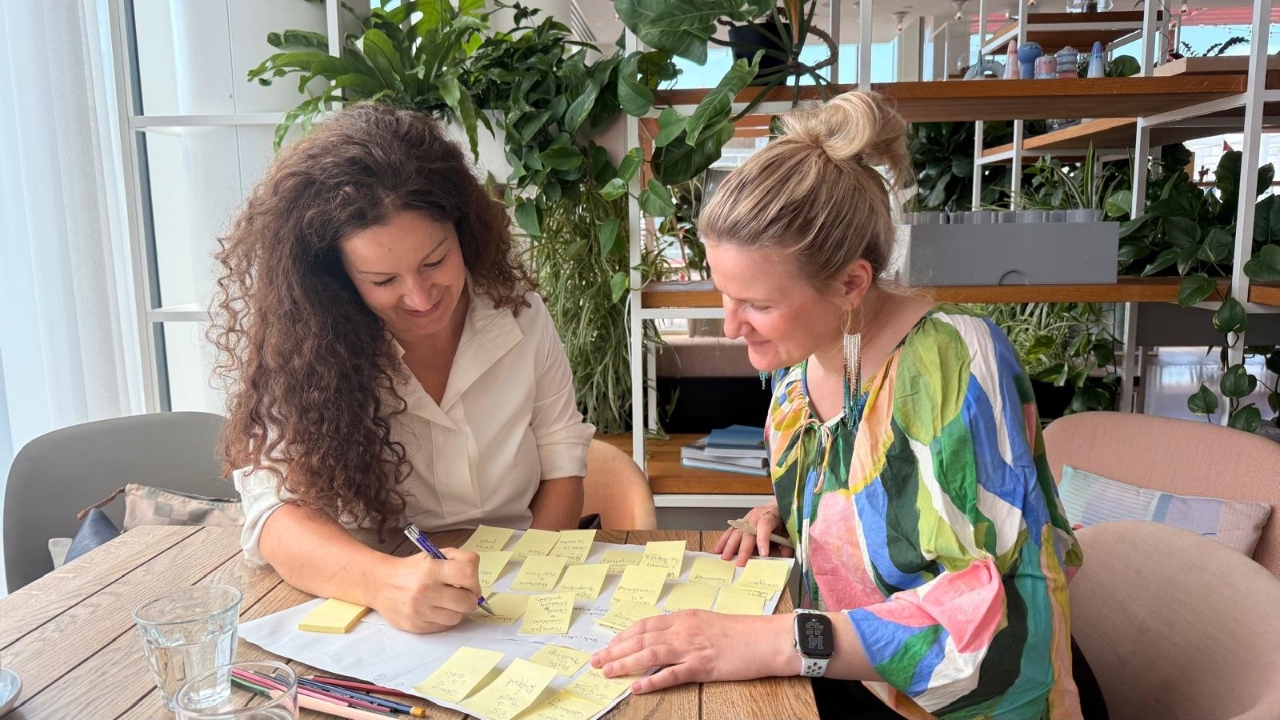
hello@migenagjerazi.com